What to Expect During Your 4-Point Inspection

Updated: Jan 10
When it comes to maintaining your home, understanding the various inspections that can be performed is crucial. One such inspection is the 4-Point Inspection, which is often required by insurance companies when you are purchasing a home, have had home upgrades or renewing your policy. This inspection focuses on four key areas of your home: the roof, electrical system, plumbing, and HVAC (heating, ventilation, and air conditioning). In this blog post, we will explore what you can expect during a 4-Point Inspection, why it is important, and how to prepare for it.
Understanding the 4-Point Inspection
What is a 4-Point Inspection?
A 4-Point Inspection is a specialized assessment that evaluates the condition of four major systems in a home. This inspection is typically required for homes that are over 30 years old, as older homes may have more issues that could affect their safety and insurability. A 4-Point Inspection can also help you secure a lower insurance premium and provide you with potential savings. The four points of focus are:
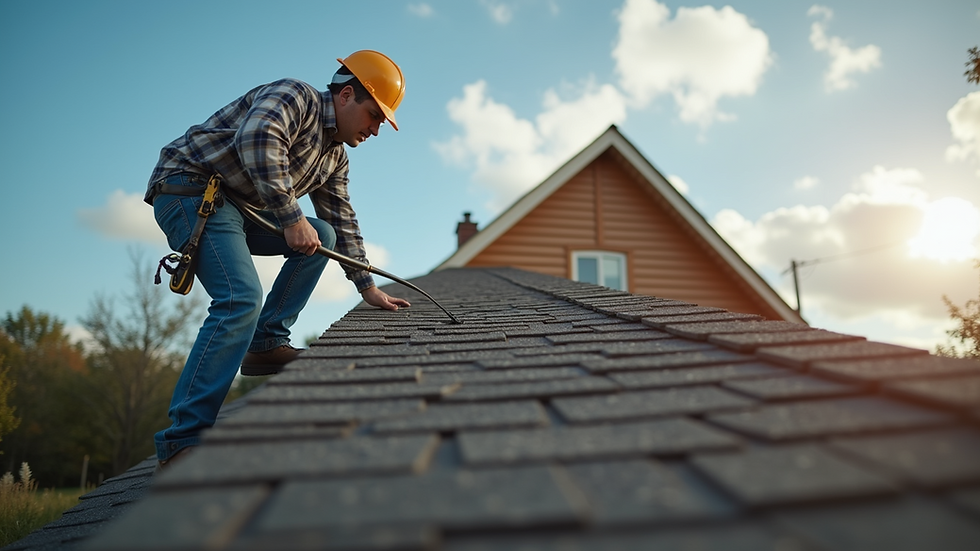
Roof: Inspectors will look for signs of damage, wear, and the overall condition of the roof. They will check for missing shingles, leaks, and the approximate age of roofing materials.
Electrical System: This includes checking the electrical panel, wiring, and any visible electrical components. Inspectors will look for outdated systems, exposed wires, and any potential fire hazards.
Plumbing: Inspectors will assess the plumbing system for leaks, water pressure, age of water heater, and the condition of pipes. They will check for signs of water damage and ensure that the plumbing systems are in good shape.
HVAC System: The heating and cooling systems will be evaluated for functionality, age, and condition. Inspectors will check for proper installation, maintenance records, and any signs of wear.
Why is a 4-Point Inspection Important?
A 4 Point Inspection serves several important purposes:
Insurance Requirements: Many insurance companies require this inspection before issuing a policy for older homes. It helps them assess the risk associated with insuring the property.
Identifying Issues: The inspection can uncover potential problems that may not be visible to the homeowner. This can save you from costly repairs down the line.
Peace of Mind: Knowing the condition of your home’s major systems can give you confidence in your investment and help you make informed decisions.
Preparing for Your 4-Point Inspection
Choosing the Right Inspector
Selecting a qualified inspector is crucial for a thorough evaluation. Look for professionals who are licensed and have experience with 4-Point Inspections. You can ask for recommendations from your real estate agent or check online reviews.
What to Expect on Inspection Day
On the day of the inspection, you can expect the inspector to spend about 1 to 2 hours evaluating your home. Here’s what typically happens:
Introduction: The inspector will introduce themselves and explain the process.
Walkthrough: They will conduct a walkthrough of your home, starting from the roof and moving down to the basement or crawl space (if applicable).
Documentation: The inspector will take notes and photographs of the systems and any issues they find.
Discussion: After the inspection, the inspector will discuss their findings with you and provide a detailed report.
Tips for Homeowners
To ensure a smooth inspection process, consider the following tips:
Clear Access: Make sure that the inspector has easy access to all areas of your home, including the attic, basement, and any crawl spaces.
Documentation: Have any relevant documents ready, such as maintenance records for your HVAC system, roofing permits or approvals, and any other documentation pertaining to improvements or recent repairs.
Be Present: If possible, be there during the inspection. This allows you to ask questions and gain a better understanding of the inspector's findings.
Common Findings During a 4-Point Inspection
Roof Issues
During the inspection, the roof may reveal several common issues:
Missing or Damaged Shingles: This can lead to leaks and further damage if not addressed.
Age of the Roof: If the roof is nearing the end of its lifespan, it may need to be replaced soon.
Electrical Concerns
Electrical systems can often present various problems:
Outdated Wiring: Homes with knob-and-tube wiring or aluminum wiring may need upgrades for safety.
Insufficient Outlets: Inspectors may note the need for additional outlets to prevent overloading circuits.
Plumbing Problems
Plumbing issues can vary widely, but some common findings include:
Leaky Pipes: This can lead to water damage and mold growth if not repaired.
Old Fixtures: Outdated plumbing fixtures may need replacement for efficiency.
Presence of PEX: The Presence of PEX plumbing materials can cause leaks and insurability issues. Such plumbing materials may need replacement.
HVAC System Findings
The HVAC system is critical for comfort, and inspectors often find:
Lack of Maintenance: Dirty filters or neglected systems can reduce efficiency.
Old Equipment: If the HVAC system is older than 15 years, it may be time for an upgrade.
After the Inspection
Understanding the Report
Once the inspection is complete, you will receive a detailed report outlining the inspector's findings. This report will include:
Photographs: Visual evidence of any issues found during the inspection.
Recommendations: Suggestions for repairs or upgrades needed to address any problems.
Summary: A summary of the overall condition of the four key areas inspected.
Next Steps
After reviewing the report, you may need to take action based on the findings. Here are some potential next steps:
Repairs: If significant issues are found, you may need to hire professionals to make repairs.
Negotiation: If you are in the process of buying a home, you can use the inspection report to negotiate repairs or price adjustments with the seller.
Insurance: If the inspection is for insurance purposes, provide the report to your insurance company to facilitate the underwriting process.
Conclusion
A 4-Point Inspection is an essential step in maintaining the safety, securing lower premiums, and insurability of your home. By understanding what to expect during this inspection, you can better prepare yourself and ensure a smooth process. Remember, the goal is to identify any potential issues before they become costly problems. Take the time to choose a qualified inspector, prepare your home, and review the findings carefully. This proactive approach will help you protect your investment and enjoy peace of mind in your home.
By staying informed and engaged throughout the inspection process, you can make the most of this valuable opportunity to assess the condition of your home. Whether you are buying, selling, or simply maintaining your property, a 4-Point Inspection is a wise investment in your home’s future.


Comments